
Give the Gift of Novelty
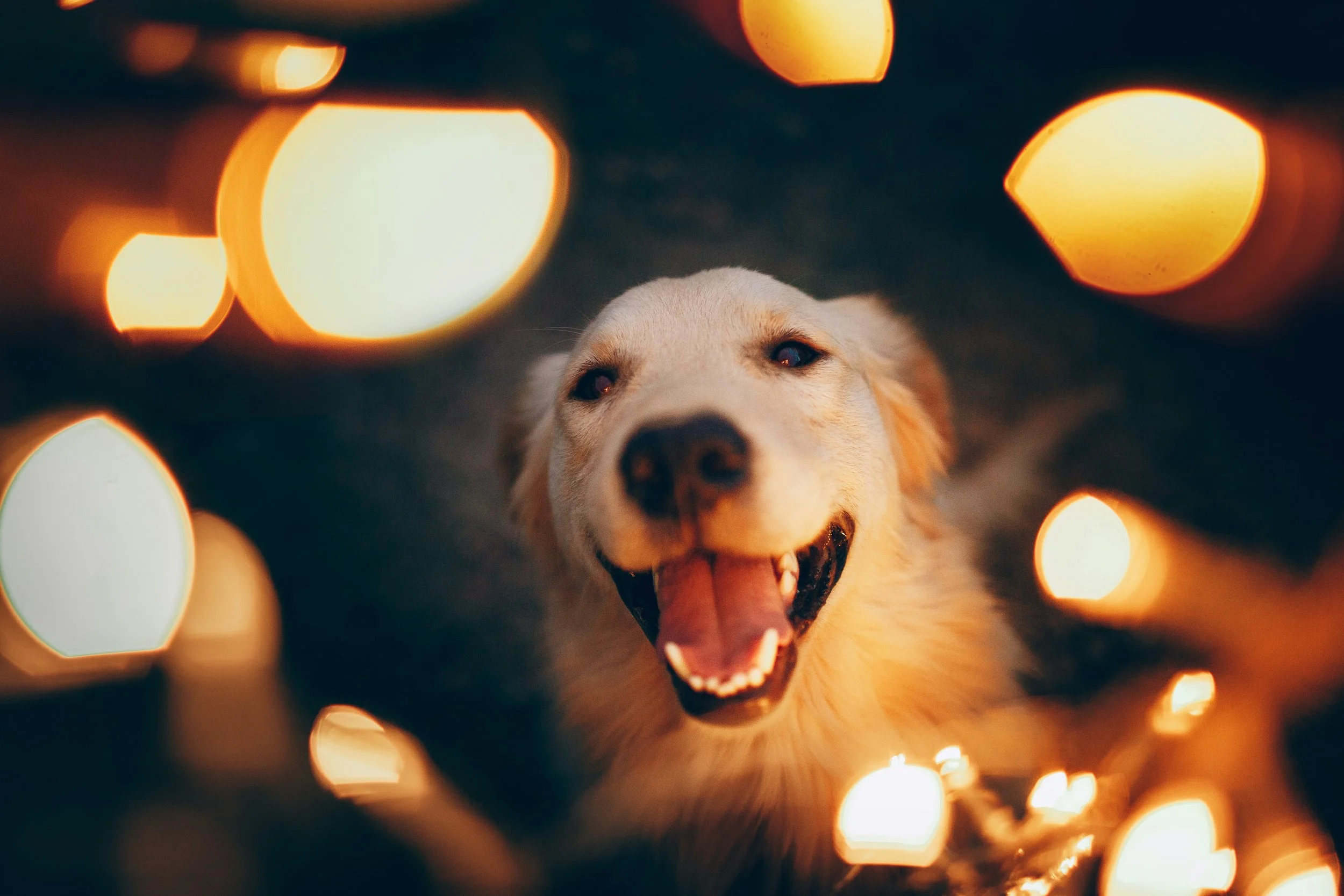
Although 2026 has arrived, the giving season is just winding down, and I’m still pondering what the best gift could be for a dog. Turning the page on a new calendar year is an ideal time to scrutinize our habits and make improvements. Did you know structure is beneficial? Researchers have found that having a regular routine can be calming and create a feeling of control and stability. We also know predictability reduces stress for both humans and dogs.
But you’ve probably also heard the old proverb “Variety is the spice of life”; this phrase comes from 18th century poet William Cowper's “The Task”. And it’s true - novelty plays an important role in well-being.
So which is the key - routine, or novelty? Actually, the answer is both.
While routine sure holds far-reaching psychological benefits, having novel experiences does as well, including enhancing brain plasticity (the ability to change and create new connections), increased cognitive flexibility, stimulates being present, and improves mood. Studies point towards everyday experience continuously shaping physical brain structure.
But we tend to get into the habit of doing the same things with our dogs: going to the same places, feeding the same food, having the same routine every day. Which isn’t surprising, given that our brains tend towards “auto-pilot”. That’s because relying on habits and learned patterns, rather than constant conscious focus, is just more energy efficient for the brain, an organ that requires approximately 20% of the body's total energy input, despite accounting for only about 2% of total body weight. So we need to intentionally make conscious choices when it comes to introducing new things to our, and our dogs’, lives.
Interestingly, dogs tend to more easily accept new things compared to most animal species. It’s part of what happened during domestication, and this adaptive advantage means dogs are more inclined to take in stride all the weirdness of a life shared with humans. In fact, many dogs actually prefer new things, as do people, a trait called “neophilia” that is linked to brain chemistry changes in the face of novelty. In one study, dogs were offered three toys - two familiar ones and one novel - and chose the new toy first nearly 80 percent of the time.
That being said, few dogs are able to go with the flow 100 percent of the time, and many dogs definitely struggle with some sort of “newness” or another. This can vary dramatically, from a dog who won’t eat from anything but a certain bowl, to a dog who is so rattled by traveling they cannot function, and everything in between.
What is a rich life for a dog? It could perhaps be defined as one in which all a dog’s needs are met - physical, mental, emotional - and that also is an ideal balance of routine and novelty. This ideal balance would vary from dog to dog, just as it would from person to person, based on genetics and learning history. Some dogs naturally enjoy novel things more than others, while others tend to be more rigid; what’s a stretch for one dog wouldn’t be for another.
The good news is, mental flexibility is not a fixed trait. All living creatures are built to learn, grow, and evolve. One of the ways we can influence adaptability is by bringing more novelty into our dog’s lives. We know the benefits novelty brings to the brain, and these changes trickle down into behavior. A dog with more cognitive flexibility is more adaptable; having a wider comfort zone means the ability to embrace a larger spectrum of experiences with ease. So this is just preparation for the life most dogs will be leading; more flexible dogs can go more places and suffer from less stress.
Of course, we need to temper the “new” experience to the individual dog; introducing new things is not a one size fits all endeavor. Taking tinier steps with more sensitive or anxious dogs is key. Resist pressuring a pup to explore and let them investigate the “new” at their own pace. Building confidence is about setting up easier experiences, rather than overfacing a dog.
Bringing more novelty to your dog’s life doesn’t have to be exotic, elaborate, or expensive. Some ideas:
Rotating toys so your pup doesn’t see the same ones daily
Providing new and different toys regularly
Introducing problem solving toys or games (like nose work)
Walking a new route or going to an unfamiliar area to just sniff around
Introducing different smells
Visiting a new place (some dogs will be happiest just watching from the car initially)
Navigating different surfaces
Eating from different types of containers - bowls, boxes, baskets, puzzle toys
Offering different kinds of foods
Using a different kind of crate
Making alterations to the daily routine (just slightly at first)
Many people think our only option for changing canine behavior is teaching verbal cues. But I’d venture to say that cultivating and growing traits like flexibility, confidence, curiosity, and resilience are much more far-reaching when it comes to helping a dog more easily navigate life in a human-centric world. Giving the gift of novelty is good first step in this direction, and an investment into long-term behavioral health for your dog.
Here’s to a new year with just the right balance of routine and novelty for everyone!